I Went to a London Business Forum (It Changed How I Debug Problems)
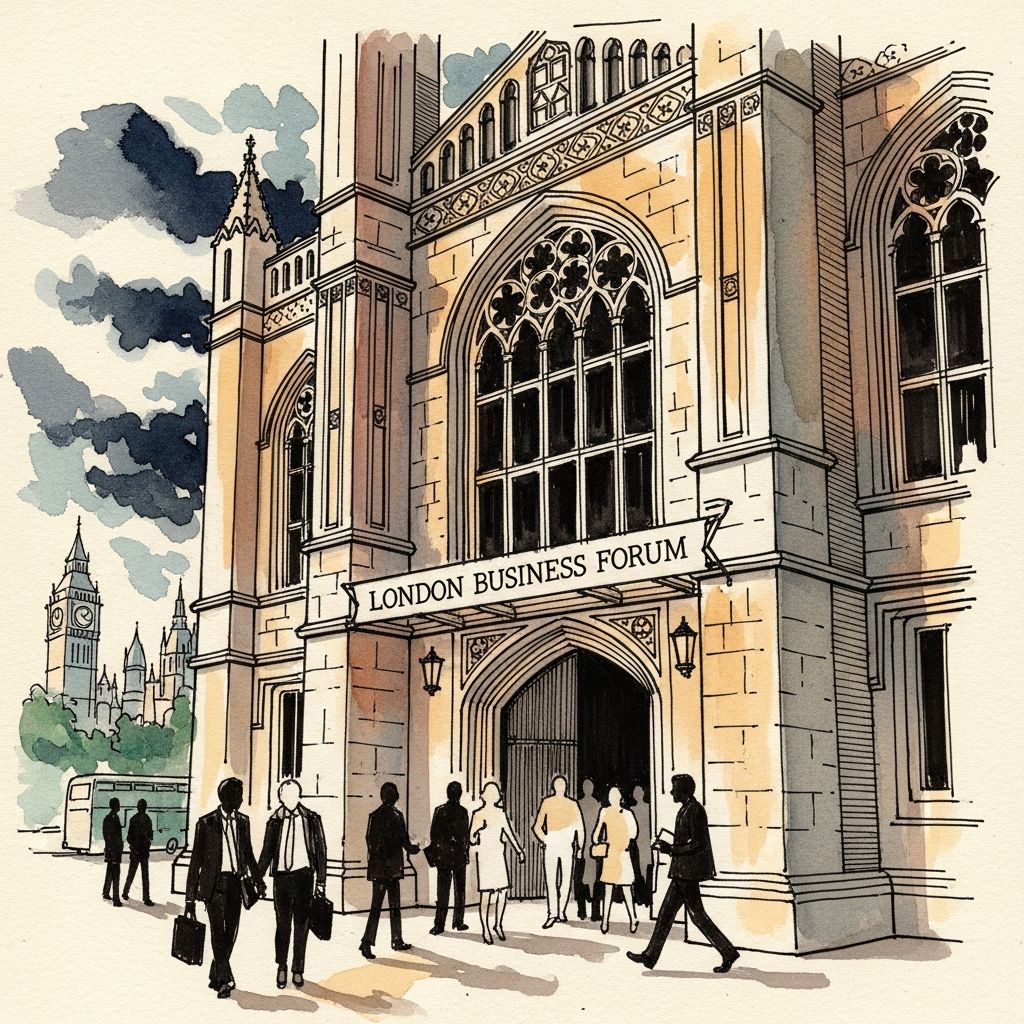
Last week I attended the London Business Forum: Disruptive Thinking – Unlock Your Creative Edge. One idea stuck with me because it perfectly reflects how we work – not just as developers, but as problem-solvers in general.
We’re All Stuck in a River
Your brain runs on a default current. They called it the River of Thinking. You face a problem, your brain jumps to the same kind of solution it always does. Fast. Automatic. Comfortable.
Sound familiar? It's basically muscle memory for your mind.

The image they showed was a herd of sheep. All moving in one direction. That's group thinking. That's most meetings. That's most code reviews too, honestly.
The fix isn't to think harder. It's to think differently.
The Skills Nobody Talks About Enough
The London Business Forum put out a list of core skills for 2025. The usual suspects are there: analytical thinking, leadership. But look at what's also on the list:
- Creative thinking — yes, for engineers too
- Resilience, flexibility, and agility — not just for product teams
- Critical thinking — going deeper than "does it work?"
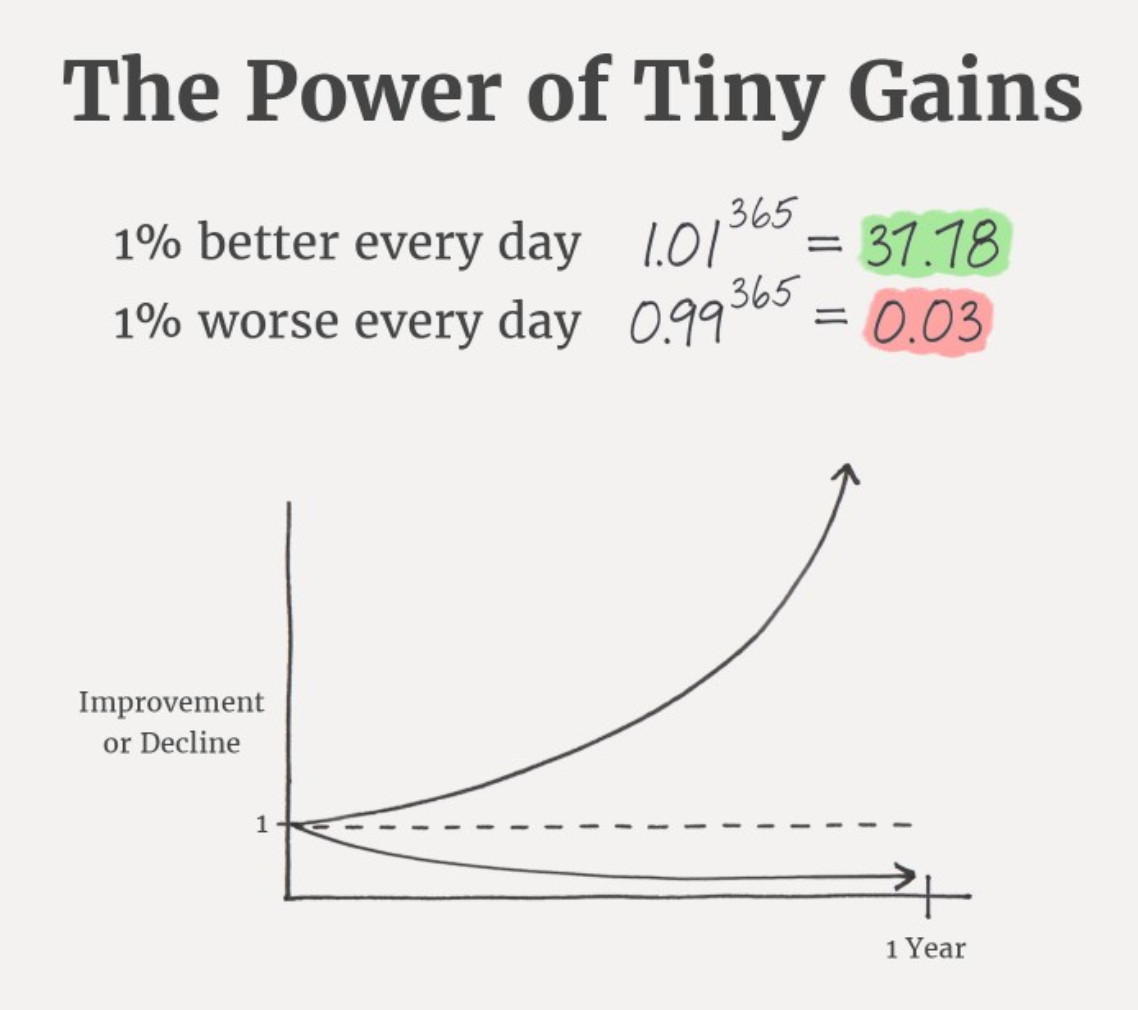
I've been reading Atomic Habits by James Clear. There's that famous graph: improve by just 1% every day, and after a year you're 37x better. That's not motivational fluff. That's compounding. We use it in code with caching and optimization. Why not apply it to thinking too?
Cognitive Diversity: What It Actually Means
This was the most valuable part of the talk. Cognitive diversity isn’t about background or job titles. It’s about different ways of thinking — different mental models attacking the same problem. They shared six practical tools to escape default thinking.
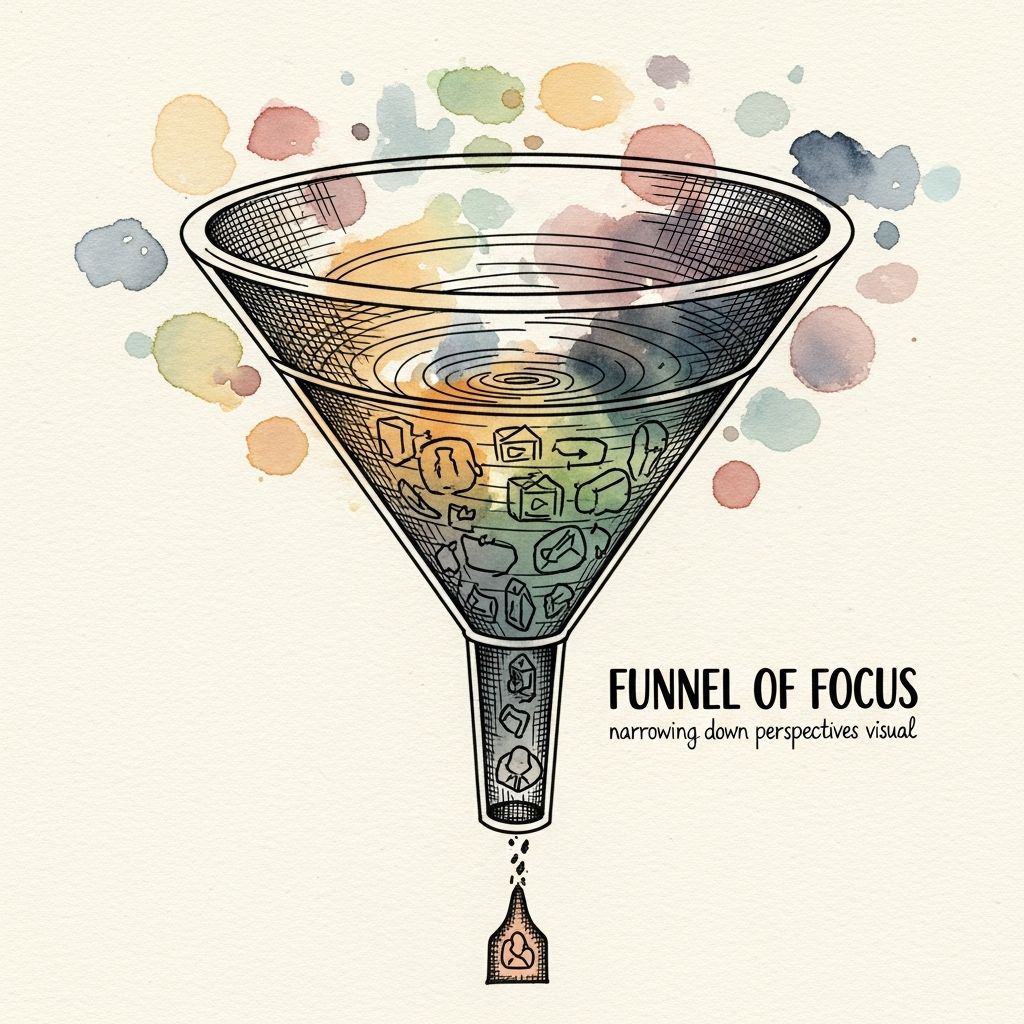
Six Tools to Break Out of Default Thinking
- Get a different perspective. Literally just ask: who's missing from this conversation? Next time you're in a meeting, imagine there's one empty seat. Who would you invite to challenge your assumptions?
- Other Worlds. Define your challenge in one sentence. Then ask: where else has someone solved this? A logistics company once fixed a UX problem by studying how hospitals track patients. Seriously.
- The Unusual Suspects. Go outside your bubble. Ask someone who has zero context. Their "stupid" questions are often the best ones.
- Re-articulate. Rephrase the problem. Change the words. Sometimes "how do we reduce churn?" becomes "how do we make people want to stay?" and suddenly you have completely different answers.
- Rule Breaking (the Airbnb move). List all the norms and conventions around your problem. Pick one. Break it on purpose. AirBnB broke the rule that said "strangers don't sleep in each other's homes." That's it. That was the whole idea.
- Use AI for creative thinking. Not just for generating code. Use it to challenge your framing. Ask it to argue against your solution. Ask it to play devil's advocate.
My 3-Week Challenge: #OneMoreOption
At the end of the talk, they gave us a challenge. Every time you make a decision, force yourself to find one more option before you commit.
Not a better option necessarily. Just one more. The habit trains your brain to not stop at the first answer.
The mindset shift is simple: you are always in the river. The question is whether you swim with the current or decide to look for another shore.
One practical takeaway: next time you're stuck on a problem, technical or personal, don't just think harder. Think sideways. Ask who's missing. Rephrase the question. Break one rule. See what happens.
Stay in the loop
Subscribe for new posts on web development, TypeScript, and tooling. No spam, ever.
No spam. Unsubscribe anytime.